US government2026-09-02 20:16:55US Government Backs OpenAI in Copyright Dispute, Says AI Training Falls Under Fair UseThe US Department of Justice filed a brief supporting OpenAI in the copyright dispute with publishers like The New York Times, arguing that training AI models on news content qualifies as fair use. The government warned that tightening fair use rules could harm US AI competitiveness. The parties are expected to file new motions after discovery.220
USA Today2026-10-08 18:10:03USA Today sues OpenAI, seeks more than $250 millionUSA Today has filed a lawsuit against OpenAI, accusing the company of using its content without authorization to train artificial intelligence models and seeking more than $250 million in damages. The case adds to a growing wave of legal disputes over whether AI developers can use published material for model training without permission. According to the report cited by Techub News, the lawsuit puts the spotlight on rising tensions between AI companies and content creators. It may also influence how copyright law and AI training rules are interpreted and shaped going forward.220
AI video gene2026-09-11 08:02:43STORM dance remakes spread on social media as Seedance 2.5 and Kling 3.0 draw attentionA roughly 30-second group dance sequence from "Storm II," part of the music video "STORM" by GENER8ION and Swedish rapper Yung Lean, has been widely remade across social media. According to ABMedia, users have swapped in themselves as the lead, replaced the dance crew with groomsmen or ceremonial teams, and used newer AI video models to recreate the scene with less effort than before. The report points to two tools behind many of these recreations: ByteDance's Seedance 2.5 and Kling 3.0. Seedance 2.5, unveiled at the Volcano Engine FORCE conference on June 23 and launched in July, can generate a 30-second video in a single pass and supports up to 50 multimodal inputs, along with localized editing. Kling 3.0, released on Feb. 5, 2026, extends single-shot generation to 15 seconds, adds 2K and 4K output, and includes native audio generation with lip sync in five languages. ABMedia also noted that Seedance remains tied to copyright disputes. Disney previously sent a legal letter alleging the model used pirated databases in training, while Paramount and other Hollywood companies also issued warnings. The renewed popularity of STORM remakes has put the line between creative reuse and infringement back into focus.2110
White House2026-09-04 08:37:28White House launches MAGA arcade site as promo video draws SEGA sound trademark backlashThe White House on Sept. 3 launched Arcade, a new section on arcade.gov featuring five retro-style browser games built around Trump administration themes including the border wall, deportation and the so-called Trump Account. The games themselves were only part of the reaction. Most of the criticism focused on a promotional video that swapped SEGA's startup logo for "MAGA" while keeping the familiar "SE-GA" audio cue that Japanese players immediately recognized. Japanese outlets including GameSpark and Automaton said the clip appeared to reuse SEGA's long-running sound trademark, first used in a 1983 Japanese commercial for the SG-1000. Automaton also reported that the music included Sonic the Hedgehog's Green Hill Zone, while the broader campaign referenced startup sequences associated with GameCube, PS2 and Xbox 360. Nikkei and AFP said it remains unclear whether the White House had authorization from SEGA, which had not issued a public response by press time. The controversy lands after earlier complaints from Japan over the use of Japanese game and anime IP in U.S. political messaging. Japan's Foreign Ministry had already asked the U.S. side twice this year to stop using works including Naruto, Pokemon and Mario in social posts, according to the report.1050
Twitch2026-08-24 07:17:00Twitch streamers sue Amazon over default use of livestream content for AI trainingA Twitch streamer from Connecticut has filed a class action in the U.S. District Court for the Northern District of California, accusing Twitch and parent company Amazon of using creators’ livestream content to train generative AI models without authorization or payment. The complaint says the companies copied millions of videos to build commercial AI products and argues that the practice breached an implied contract with creators and violated California unfair competition law. The dispute centers on a new opt-out setting announced by Twitch on the 12th of this month. Under the policy, channels are included by default unless users manually turn the setting off. Twitch’s chief product officer, Mike Minton, drew backlash after saying on the company’s Patch Notes livestream that “if it was opt in, nobody would do it.” According to the source material, Amazon may use livestreams, VODs, clips, chat messages, images, and text for current and future models that generate or synthesize text, audio, images, or video. The complaint also argues that a channel-based opt-out system cannot secure consent from every participant and alleges Twitch had already begun collecting content without permission in 2024.1240
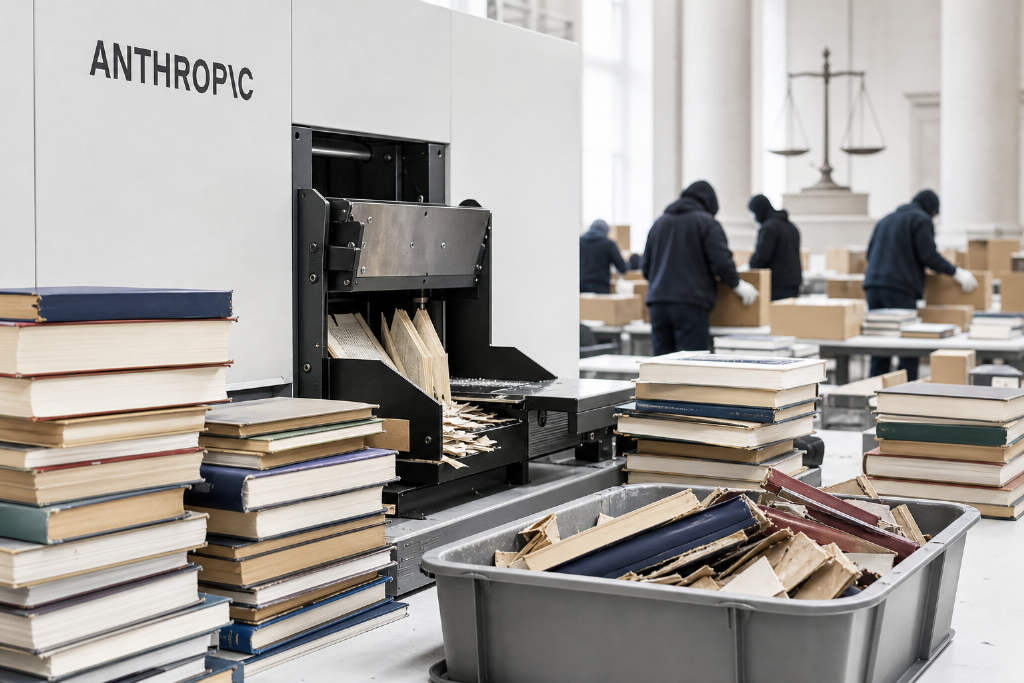
Policy and Re2026-08-23 04:06:38Anna’s Archive calls for book scanning campaign as it attacks AI firms over destructive digitizationAnna’s Archive, the shadow library widely known for hosting pirated books and papers, has published a blog post urging volunteers to scan physical books before AI companies do. The post, published in early August and attributed to a volunteer identified as “u,” alleges that multiple AI firms have been buying large volumes of used books through intermediaries, scanning them, and then destroying the originals to secure pre-2022 training data that has not been “contaminated” by machine-generated content. The post singles out Anthropic’s “Project Panama,” which it says was revealed through a $1.5 billion copyright settlement and launched in early 2024. According to Anna’s Archive, the project spent tens of millions of dollars acquiring millions of printed books, scanned them for Claude training, and destroyed the physical copies afterward. The article describes that practice as legally permissible but morally extreme. At the same time, the report notes that a U.S. federal judge in Bartz v. Anthropic found that legally purchased books can be cut, scanned into digital files, and destroyed under fair use. It also draws a distinction between those purchased print books and the materials covered by Anthropic’s $1.5 billion settlement, which involved about 5 million books from LibGen and about 2 million from Pirate Library Mirror, the predecessor to Anna’s Archive.1490
ByteDance2026-07-23 01:40:14Seedance 2.0 Resumes Overseas Rollout With Real-Face Upload BanByteDance has resumed the overseas rollout of Seedance 2.0 after a roughly one-week pause, but users currently cannot upload real human faces. The model is being released in stages through CapCut and Dreamina.500
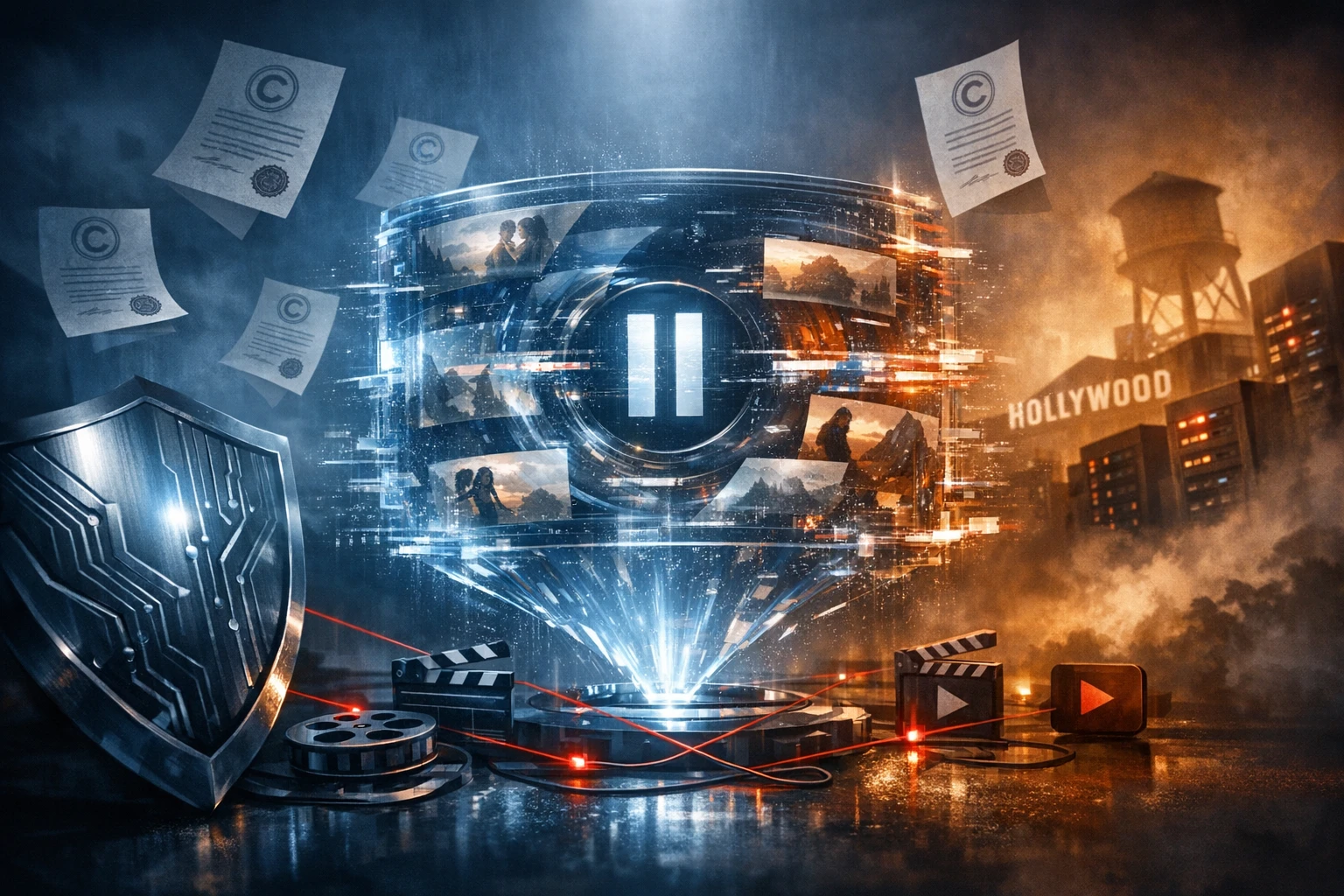
ByteDance2026-07-22 23:00:14ByteDance Halts Seedance 2.0 Global Launch Amid Hollywood Copyright ClashesByteDance suspends the worldwide rollout of its AI video model Seedance 2.0 after multiple copyright disputes with Hollywood studios and streaming platforms. Legal and engineering teams are conducting dual-track risk inspections, while the Chinese market continues to run normally.560